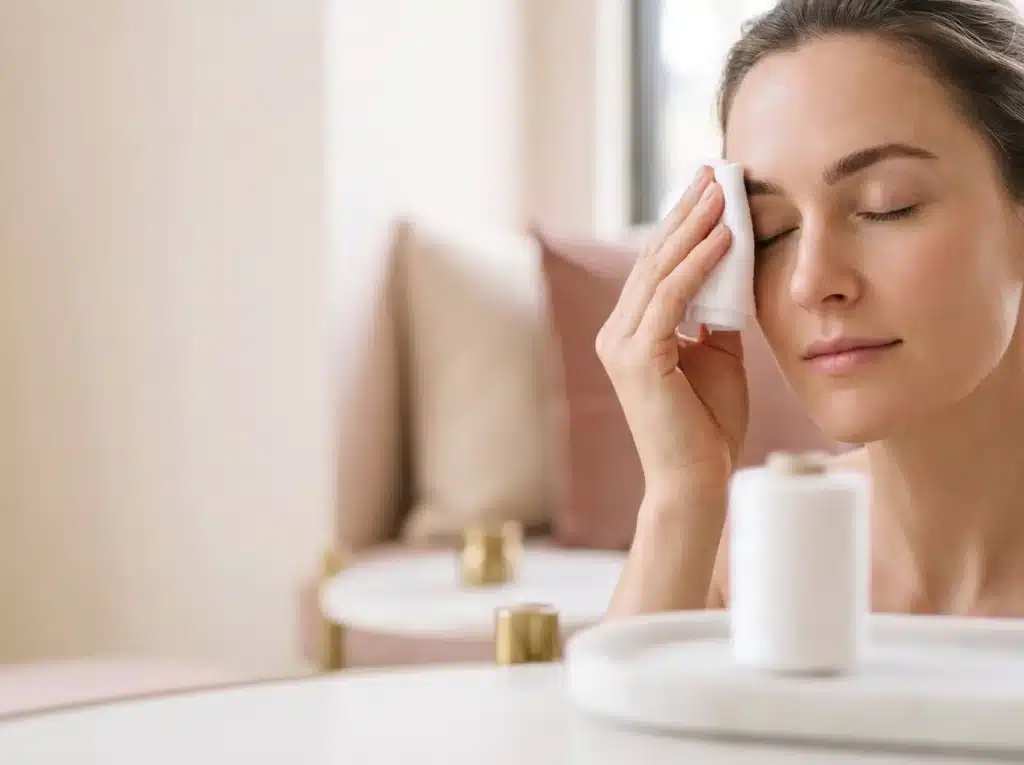

Threading leaves brows defined and skin smooth, so a scattering of small bumps a day or two later can come as an unwelcome surprise. In most cases, these bumps are not true acne. They are irritated hair follicles, and they usually settle within a few days with gentle care.
If you are wondering how to cure pimples after threading, the approach is simple: keep the area clean, cool and untouched, and give your skin time to recover. This guide explains why bumps appear, how to calm your skin, and what to do before and after your appointment to help prevent them.
Why Pimples Appear After Threading
Threading removes each hair from the root. For a short time afterwards, the follicle is open and the surrounding skin is more sensitive than usual. Bacteria that normally live on the skin’s surface can enter those openings and inflame the follicle. This is known as folliculitis, and at first it looks like a cluster of small pimples around the hair follicles.
Several everyday factors make this more likely:
• Touching the area. Fingers carry oil and bacteria to freshly threaded skin.
• Makeup and heavy products. Foundation, concealer and rich creams can settle into open follicles.
• Heat and sweat. A workout, sauna or hot shower soon after your appointment keeps the skin warm and damp.
• Friction. The thread moves quickly across the skin, and dry or sensitive skin may respond with redness or small bumps.
• Skin type. Oily, acne-prone and very sensitive skin tends to react more readily.
• Regrowth. As hair grows back, a strand can occasionally curl beneath the surface and form an ingrown hair that resembles a pimple.
Redness and bumps are not the same reaction. Mild redness and warmth straight after threading are a normal response and typically fade within a few hours. Bumps tend to appear later, often within the first few days.
What to Do After Threading to Avoid Pimples and Bumps
The first 24 hours matter most. During this window, the aim is to keep the skin clean, cool and free of anything that could block or irritate the follicles.
| Do | Avoid |
| Keep your hands away from the threaded area | Touching, rubbing or scratching |
| Cleanse in the evening with cool water and a gentle, fragrance-free cleanser | Makeup on the threaded area |
| After a few hours, apply a thin layer of pure aloe vera gel or a light, fragrance-free moisturizer | Heavy creams, facial oils and perfumed products |
| Pat dry with a clean towel and use a fresh pillowcase | Workouts, saunas, steam rooms, hot yoga and swimming pools |
| Wear a hat if you will be outdoors | Direct sun and tanning beds |
| Return to your usual skin care gradually | Scrubs, exfoliating acids and retinoids for a few days |
If you exercise regularly, plan your workout before your appointment rather than after it.
How to Soothe Skin After Threading
A cool compress is a simple and effective way to settle freshly threaded skin. Soak a clean cloth in cool water, wring it out, and hold it against the area for five to ten minutes. If you prefer ice, wrap it in a clean cloth first. Ice should not be placed directly on the skin.
Once the skin has had a few hours to settle, apply a thin layer of pure aloe vera gel or a light, fragrance-free moisturizer. Keep the rest of your routine simple for the day. The fewer products the skin has to tolerate, the faster it tends to recover.
How to Reduce Redness After Threading
For most clients, redness fades within a few hours. To help it along:
• Apply a cool compress as soon as you are home.
• Keep the area out of heat, including hot showers and direct sun.
• Leave the skin bare. Concealer over fresh redness often prolongs irritation.
Redness that comes with itching or raised welts may point to a sensitivity. If it lasts beyond a day or begins to spread, contact your esthetician or speak with a pharmacist.
How to Cure Pimples After Threading
If bumps have already appeared, a calm and consistent routine is more effective than strong products. Mild folliculitis generally heals within a few days with basic care.
1. Cleanse gently, twice a day. Use lukewarm water and a mild cleanser, then pat the area dry with a clean towel.
2. Apply a warm compress. Hold a clean cloth soaked in warm water against the bumps for a few minutes, several times a day. This can ease tenderness and help the bumps settle.
3. Leave the bumps alone. Squeezing or picking can push bacteria deeper and may leave a dark mark that takes time to fade.
4. Keep products light. Choose a non-comedogenic moisturizer and keep makeup off the area until the bumps have flattened.
5. Consider a spot treatment after the first 24 hours. An over-the-counter product containing benzoyl peroxide or salicylic acid may help. Apply it sparingly, keep it away from the eyes, and ask a pharmacist if you are unsure which product suits your skin.
Can You Cure Pimples After Threading Overnight?
Bumps are unlikely to disappear completely overnight, and it is wise to be cautious of any remedy that promises this. What one evening of care can do is reduce redness and swelling, so the area looks noticeably calmer by morning.
A simple evening routine:
1. Cleanse gently and pat dry.
2. Hold a cool compress on the area for five to ten minutes.
3. Apply a thin layer of aloe vera gel. If more than 24 hours have passed since your appointment, a spot treatment can be used instead.
4. Sleep on a fresh pillowcase.
Home remedies such as toothpaste, lemon juice, rubbing alcohol and undiluted tea tree oil are best avoided. They are harsh on freshly threaded skin and often increase irritation.
What to Put on Eyebrows After Threading
The skin around the brows is thin and sits close to the eyes, so gentle products are the best choice.
Suitable in the first 24 hours:
• A cool compress
• Pure aloe vera gel
• A light, fragrance-free moisturizer
Best left until the following day:
• Brow pencil, powder, gel and tinted products
• Brow growth serums
• Retinoids and exfoliating acids near the brow area
If you are combining threading with a brow tint or lamination, your esthetician will explain the aftercare for both treatments.
How to Avoid Pimples After Threading the Upper Lip
The upper lip is a common area for breakouts after threading. The skin there is touched often, and it comes into contact with lip products, food and drink throughout the day.
To keep the area clear:
• Keep your fingers away from the area, particularly for the first day.
• Apply lip balm carefully so that it stays on the lips and not on the skin above them.
• Keep foundation and concealer off the area for the rest of the day.
• After eating, blot the area gently instead of wiping.
• Cleanse in the evening and apply a thin layer of aloe vera gel.
If you are prone to cold sores, let your esthetician know before your appointment. Irritation around the lips can sometimes trigger one.
Before Your Appointment
Prevention begins before the thread touches your skin. A little preparation reduces the chance of a reaction.
• Arrive with clean skin. Remove makeup from the area being threaded.
• Pause active products. Avoid retinoids and exfoliating acids, such as glycolic and salicylic acid, on the area in the days before your visit.
• Share your skin history. Tell your esthetician about acne medication, recent peels or laser treatments, cold sores, and conditions such as eczema.
• Reschedule if the skin is not ready. Sunburn, broken skin or an active breakout in the area are good reasons to rebook.
• Plan your timing. Book at least two days before a special event, so any redness has time to settle.
When to See a Doctor or Pharmacist
Most reactions to threading are mild and short-lived. Seek advice from a health care provider if:
• The bumps are widespread or continue to spread.
• There is no improvement after a week or two of gentle care.
• Redness or pain increases suddenly.
• You develop a fever, chills or a general feeling of being unwell.
The last two can be signs of a spreading infection and should be assessed promptly. If you break out after every threading session, raise it with your esthetician and consider speaking with a dermatologist.
This article provides general skin care information and is not a substitute for medical advice.
Threading at Jade Thread and Wax Bar
Threading is a signature service at Jade Thread and Wax Bar. Our estheticians work with pure cotton thread at clean, private stations, and shape each brow to suit the client’s features. If your skin tends to react, please mention it when you arrive. Your esthetician can adapt the service and recommend aftercare suited to your skin type.
Popular threading services include brow shaping, upper lip threading and full face threading. The complete list is available on our threading services page.
Appointments are available at both Toronto locations:
• Bayview: 1647 Bayview Ave., Toronto. Call 647-351-5233.
• Danforth: 496 Danforth Ave., Toronto. Call 647-748-5233.
Book your threading appointment online.
Frequently Asked Questions
Is It Normal to Get Pimples After Threading?
Yes. Small bumps after threading are fairly common, particularly on oily, acne-prone or sensitive skin. They are usually irritated hair follicles and not true acne, and they tend to settle within a few days.
How Long Do Pimples After Threading Last?
Mild bumps generally clear within a few days. If they have not improved after a week or two, speak with a health care provider.
Can I Wear Makeup After Threading?
Keep makeup off the threaded area for at least a few hours, and ideally until the following day. This gives the skin time to settle and lowers the chance of a breakout. If makeup is needed, apply it with a clean brush or sponge.
Can I Apply Ice After Threading?
Yes. Wrap the ice in a clean cloth and hold it against the area for a few minutes. Ice should not be applied directly to the skin.
Does Threading Cause Acne?
Threading does not cause acne. The bumps that sometimes follow are a short-term reaction in the hair follicles. If your skin is already acne-prone, careful aftercare makes a breakout less likely.
Is Threading Suitable for Sensitive or Acne-Prone Skin?
Threading uses no heat, wax or chemicals, which is why many clients with sensitive skin prefer it. Your esthetician can advise whether threading or another method is the better choice for your skin.